
Pet Water Fountain vs Bowl: Is It Really Worth It?
A Scene Every Pet Owner Has Seen
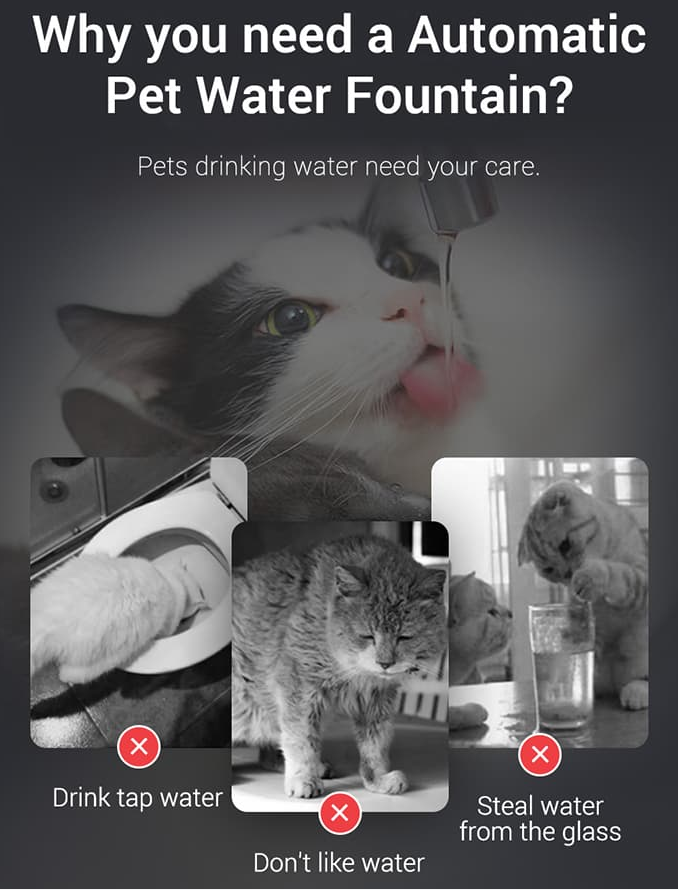
My cat ignores her water bowl completely—then jumps onto the counter to lick the faucet like it’s the best thing she’s tasted all day.
If you’ve ever seen your pet reject a full bowl of water but show interest in dripping taps or fresh refills, you’re not alone. Many pet owners start wondering the same thing:
Is a pet water fountain actually useful, or just another overhyped gadget?
Water plays a huge role in your pet’s digestion, joint health, kidney function, and overall energy levels. So this isn’t a small upgrade—it’s a daily habit that affects long-term health.
Let’s break it down honestly.
The Ugly Truth: Why Regular Water Bowls Fall Short
A regular water bowl looks clean at first. But after a few hours?
Touch the water—it often feels slightly slippery. Smell it—sometimes faintly dusty or metallic. That’s saliva, hair, and bacteria building up.
Here’s what many people don’t realize:
- Cats are biologically suspicious of still water. In nature, stagnant water often means bacteria.
- Low water intake is closely linked to urinary tract issues, bladder stones, and kidney disease, especially in cats.
- Dogs are less picky, but in hot weather or for older dogs, stale water simply isn’t appealing enough.
In short, bowls don’t encourage drinking. They just sit there and hope your pet does the right thing.
The Expert Solution: Why Pet Water Fountains Work
A good automatic pet water fountain doesn’t force your pet to drink more—it makes drinking easier and more attractive.
Flow Triggers Natural Instincts
Flowing water moves, reflects light, and sounds fresh. That gentle trickling noise often catches a cat’s attention immediately. Many fountain designs are also wider and shallower, helping reduce whisker fatigue, which is a real reason some cats avoid bowls.
Fresher, Cooler, Filtered Water
Unlike a bowl, a fountain continuously circulates water:
- It stays cooler (usually 1–2°C lower)
- Odors and impurities are filtered out
- Hair and debris don’t sit in the water all day
Better taste leads to one simple result: pets drink more.
Real Health Benefits
- For cats, increased water intake helps protect urinary and kidney health
- For dogs, better hydration reduces overheating and supports digestion
This is why many vets recommend fountains as a preventive health tool, not a luxury.
The Downsides You Should Know Before Buying
Pet water fountains aren’t perfect—and pretending they are would be dishonest.
Maintenance Is Mandatory
More parts mean more cleaning. If you don’t regularly disassemble and clean the pump, slimy biofilm builds up faster than in a bowl.
If you’re not willing to clean it weekly, a fountain isn’t for you.
Noise Can Be a Dealbreaker
Cheap pumps make a constant hum. Sensitive pets notice. Light sleepers notice even more.
Ongoing Costs
Filters need replacing every 2–4 weeks. Skip this, and the “clean water” advantage disappears.
Power Dependence
Most fountains need electricity. A simple bowl should always remain as a backup.
Material Matters More Than Design
Pet water containers are among the dirtiest items in a home. Material choice affects how fast bacteria grow.
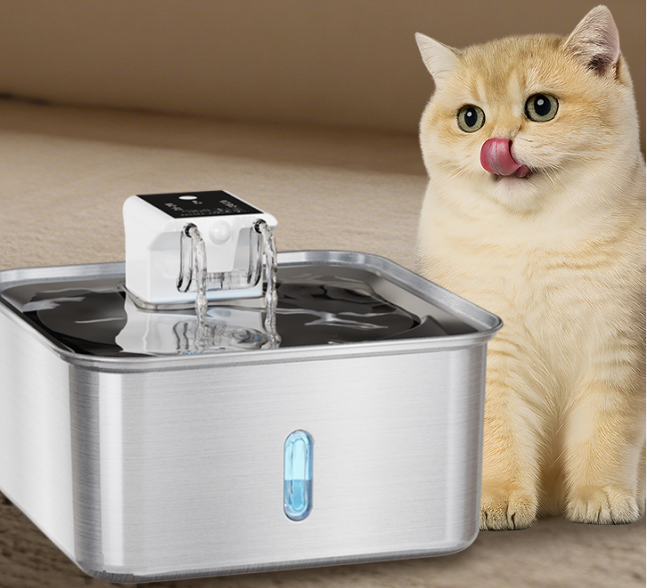
- Stainless steel: Most hygienic, durable, easy to sanitize
- Ceramic: Stable and easy to clean, but fragile
- Plastic (even BPA-free): Scratches easily and traps bacteria over time
If health is the priority, stainless steel is the safest long-term choice.
Buying Tips to Avoid Regret
Before buying a pet water fountain, check these essentials:
- Pump safety: Auto shut-off when water is low
- Noise level: Under 30 dB
- Cleanability: Can the pump be opened and scrubbed inside?
- Capacity:
- One cat or small dog: 1.5–2L
- Multiple pets or large dogs: 3L or more
Final Verdict: Should You Buy One?
You should consider a pet water fountain if:
- Your cat prefers faucets
- Your pet has had urinary or hydration issues
- You want a low-effort way to improve daily health
You can skip it if:
- Your dog already drinks enough from a bowl
- You dislike appliance noise
- You won’t clean it regularly
Bottom line:
A pet water fountain isn’t décor. It’s a habit-shaping health tool. Choose a stainless steel model, replace filters regularly, and clean it properly—then it’s absolutely worth it.
7L Wireless Stainless Steel Cat Water Fountain – Ultra-Quiet Smart Battery Pet Waterer_Pet Super Factory
FAQ
Is a pet water fountain better than a bowl?
Yes, when cleaned properly. It encourages pets to drink more and keeps water fresher.
How often should I clean it?
Weekly cleaning is ideal. Filters should be replaced every 2–4 weeks.
Can it stay on all day?
Quality models are designed for 24/7 use, especially those with low-noise pumps and auto shut-off features.